aster.cloud aster.cloud
  • /
  • Platforms
    • Public Cloud
    • On-Premise
    • Hybrid Cloud
    • Data
  • Architecture
    • Design
    • Solutions
    • Enterprise
  • Engineering
    • Automation
    • Software Engineering
    • Project Management
    • DevOps
  • Programming
    • Learning
  • Tools
  • About
  • /
  • Platforms
    • Public Cloud
    • On-Premise
    • Hybrid Cloud
    • Data
  • Architecture
    • Design
    • Solutions
    • Enterprise
  • Engineering
    • Automation
    • Software Engineering
    • Project Management
    • DevOps
  • Programming
    • Learning
  • Tools
  • About
aster.cloud aster.cloud
  • /
  • Platforms
    • Public Cloud
    • On-Premise
    • Hybrid Cloud
    • Data
  • Architecture
    • Design
    • Solutions
    • Enterprise
  • Engineering
    • Automation
    • Software Engineering
    • Project Management
    • DevOps
  • Programming
    • Learning
  • Tools
  • About
  • Solutions
  • Technology
  • Tools

Google’s Virtual Desktop Of The Future

  • aster.cloud
  • January 12, 2023
  • 5 minute read
Did you know that most Google employees rely on virtual desktops to get their work done? This represents a paradigm shift in client computing at Google, and was especially critical during the pandemic and the remote work revolution. We’re excited to continue enabling our employees to be productive, anywhere! This post covers the history of virtual desktops and details the numerous benefits Google has seen from their implementation. 

Background

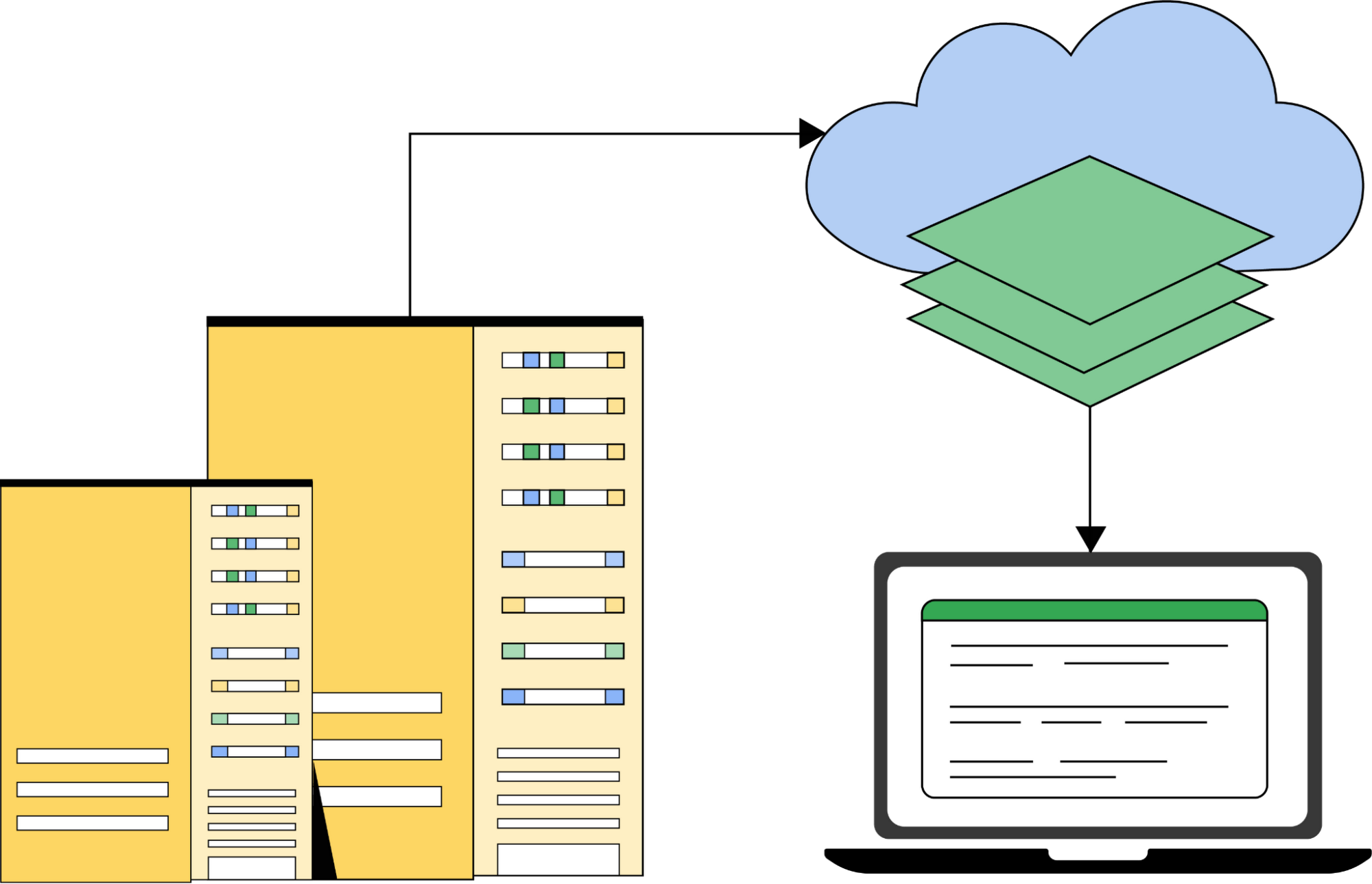
In 2018, Google began the development of virtual desktops in the cloud. A whitepaper was published detailing how virtual desktops were created with Google Cloud, running on Google Compute Engine, as an alternative to physical workstations. Further research had shown that it was feasible to move our physical workstation fleet to these virtual desktops in the cloud. The research began with user experience analysis – looking into how employee satisfaction of cloud workstations compared with physical desktops. Researchers found that user satisfaction of cloud desktops was higher than that of their physical desktop counterparts! This was a monumental moment for cloud-based client computing at Google, and this discovery led to additional analyses of Compute Engine to understand if it could become our preferred (virtual) workstation platform of the future.

Today, Google’s internal use of virtual desktops has increased dramatically. Employees all over the globe use a mix of virtual Linux and Windows desktops on Compute Engine to complete their work. Whether an employee is writing code, accessing production systems, troubleshooting issues, or driving productivity initiatives, virtual desktops are providing them with the compute they need to get their work done. Access to virtual desktops is simple: some employees access their virtual desktop instances via Secure Shell (SSH), while others use Chrome Remote Desktop — a graphical access tool.


Partner with aster.cloud
for your next big idea.
Let us know here.


From our partners:

CITI.IO :: Business. Institutions. Society. Global Political Economy.
CYBERPOGO.COM :: For the Arts, Sciences, and Technology.
DADAHACKS.COM :: Parenting For The Rest Of Us.
ZEDISTA.COM :: Entertainment. Sports. Culture. Escape.
TAKUMAKU.COM :: For The Hearth And Home.
ASTER.CLOUD :: From The Cloud And Beyond.
LIWAIWAI.COM :: Intelligence, Inside and Outside.
GLOBALCLOUDPLATFORMS.COM :: For The World's Computing Needs.
FIREGULAMAN.COM :: For The Fire In The Belly Of The Coder.
ASTERCASTER.COM :: Supra Astra. Beyond The Stars.
BARTDAY.COM :: Prosperity For Everyone.

In addition to simplicity and accessibility, Google has realized a number of benefits from virtual desktops. We’ve seen an enhanced security posture, a boost to our sustainability initiatives, and a reduction in maintenance effort associated with our IT infrastructure. All these improvements were achieved while improving the user experience compared to our physical workstation fleet.
Read More  Built With BigQuery: Lytics Launches Secure Data Sharing And Enrichment Solution On Google Cloud


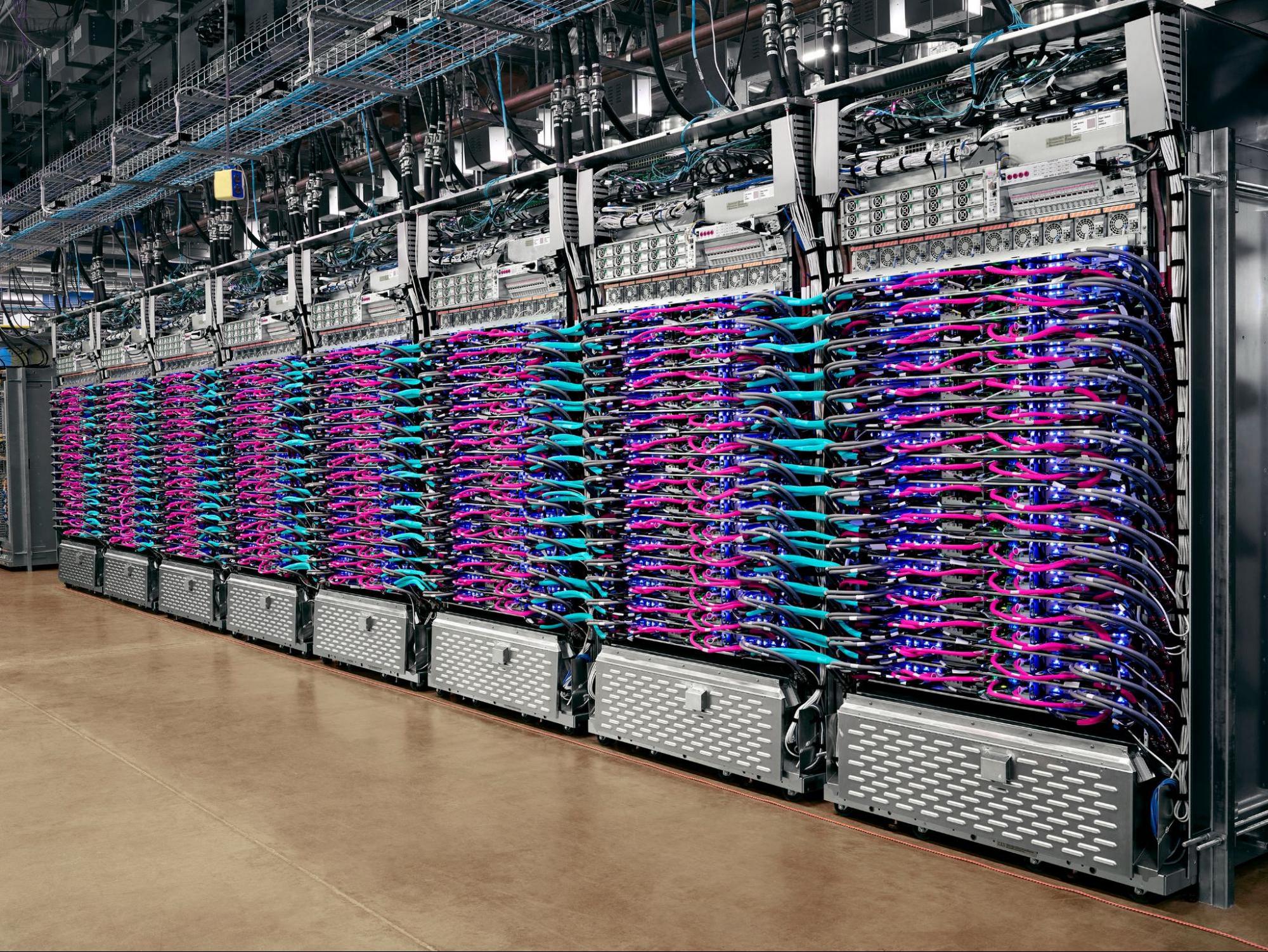
Example of Google Data Center

Analyzing Cloud vs Physical Desktops

Let’s look deeper into the analysis Google performed to compare cloud virtual desktops and physical desktops. Researchers compared cloud and physical desktops on five core pillars: user experience, performance, sustainability, security, and efficiency.
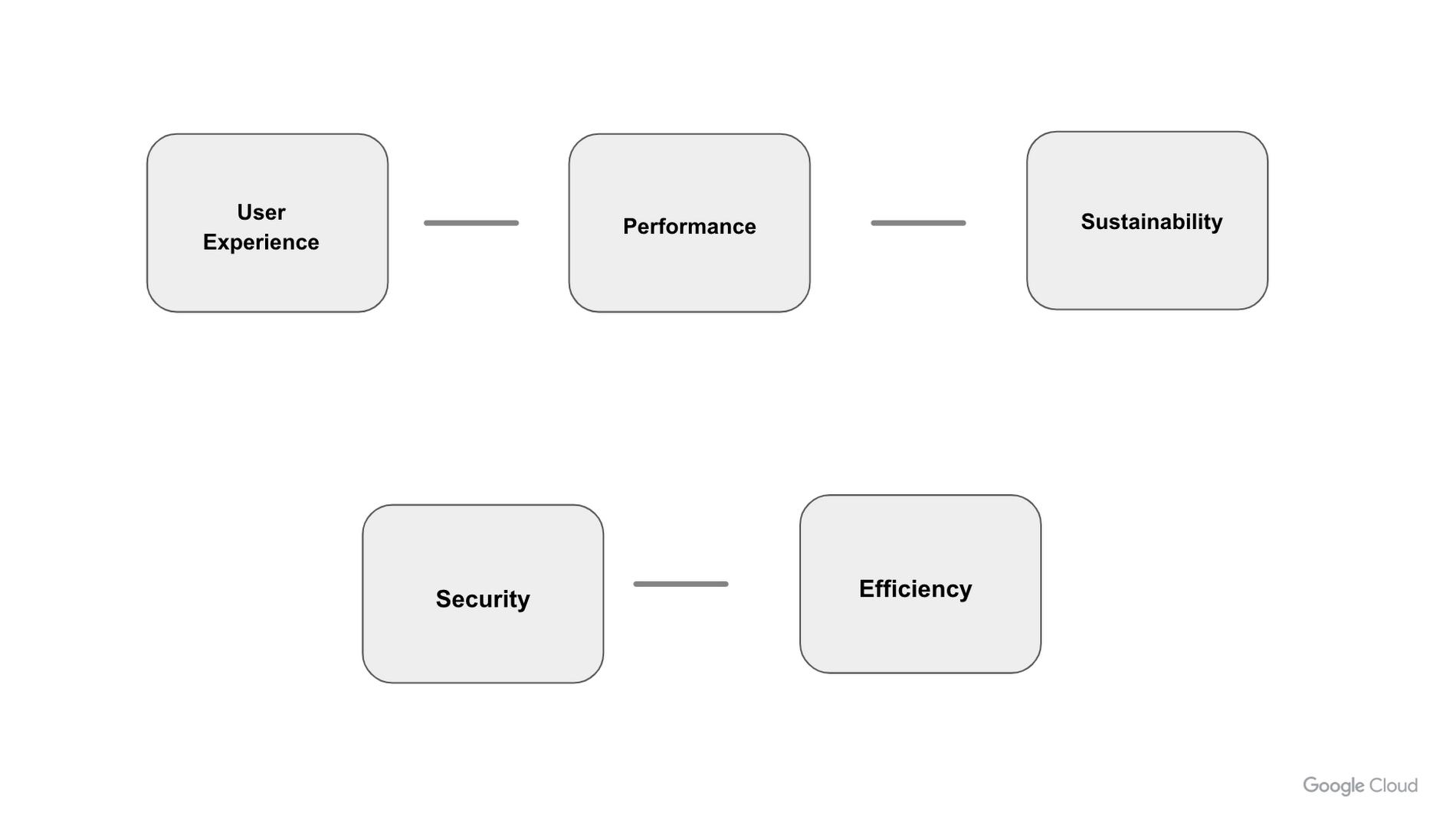
 

User Experience
Before the transition to virtual desktops got underway, user experience researchers wanted to know more about how they would affect employee happiness. They discovered that employees embraced the benefits that virtual desktops offered. This included freeing up valuable desk space to provide an always-on, always available compute experience, accessible from anywhere in the world, and reduced maintenance overhead compared to physical desktops.PerformanceFrom a performance perspective, cloud desktops are simply better than physical desktops. For example, running on Compute Engine makes it easy to spin-up on-demand virtual instances with predictable compute and performance – a task that is significantly more difficult with a physical workstation vendor. Virtual desktops rely on a mix of Virtual Machine (VM) families that Google developed based on the performance needs of our users. These include Google Compute Engine E2 high-efficiency instances, which employees might use for day-to-day tasks, to higher-performance N2/N2D instances, which employees might use for more demanding machine learning jobs. Compute Engine offers a VM shape for practically any computing workflow. Additionally, employees no longer have to worry about machine upgrades (to increase performance, for example) because our entire fleet of virtual desktops can be upgraded to new shapes (with more CPU and RAM) with a single config change and a simple reboot — all within a matter of minutes. Plus, Compute Engine continues to add features and new machine types, which means our capabilities only continue to grow in this space.

Sustainability

Google cares deeply about sustainability and has been carbon neutral since 2007. Moving from physical desktops to virtual desktops on Compute Engine brings us closer to Google sustainability goals of a net-neutral desktop computing fleet. Our internal facilities team has praised virtual desktops as a win for future workspace planning, because a reduction in physical workstations could also mean a reduction in first-time construction costs of new buildings, significant (up to 30%) campus energy reductions, and even further reductions in costs associated with HVAC needs and circuit size needs at our campuses. Lastly, a reduction in physical workstations also contributes to a reduction in physical e-waste and a reduction in the carbon associated with transporting workstations from their factory of origin to office locations. At Google’s scale, these changes lead to an immense win from a sustainability standpoint.

Read More  Symphony Technology Group Announces The Launch Of Extended Detection And Response Provider, Trellix

Security

By their very nature, virtual desktops mitigate the ability for a bad actor to exfiltrate data or otherwise compromise physical desktop hardware since there is no desktop hardware to compromise in the first place. This means attacks such as USB attacks, evil maid attacks, and similar techniques for subverting security that require direct hardware access become worries of the past. Additionally, the transition to cloud-based virtual desktops also brings with it an enhanced security posture through the use of Google Cloud’s myriad security features including Confidential Computing, vTPMs, and more.


Efficiency

In the past, it was not uncommon for employees to spend days waiting for IT to deliver new machines or fix physical workstations. Today, cloud-based desktops can be created instantaneously on-demand and resized on-demand. They are always accessible, and virtually immune from maintenance-related issues. IT no longer has to deal with concerns like warranty claims, break-fix issues, or recycling. This time savings enables IT to focus on higher priority initiatives all while reducing their workload. With an enterprise the size of Google, these efficiency wins added up quickly.

Considerations to Keep in Mind

Although Google has seen significant benefits with virtual desktops, there are some considerations to keep in mind before deciding if they are right for your enterprise. First, it’s important to recognize that migrating to a virtual fleet requires a consistently reliable and performant client internet connection. For remote/global employees, it’s important they’re located geographically near a Google Cloud Region (to minimize latency). Additionally, there are cases where physical workstations are still considered vital. These cases include users who need USB and other direct I/O access for testing/debugging hardware and users who have ultra low-latency graphics/video editing or CAD simulation needs. Finally, to ensure interoperability between these virtual desktops and the rest of our computing fleet, we did have to perform some additional engineering tasks to integrate our asset management and other IT systems with the virtual desktops. Whether your enterprise needs such features and integration should be carefully analyzed before considering a solution such as this. However, should you ultimately conclude that cloud-based desktops are the solution for your enterprise, we’re confident you’ll realize many of the benefits we have!

Read More  Canonical Collaborates With NVIDIA To Simplify Enterprise AI Deployments With NVIDIA Bluefield-3 Operating An Optimised, Ubuntu-Based Linux OS

Tying It All Together


Although moving Google employees to virtual desktops in the clouds was a significant engineering undertaking, the benefits have been just as significant. Making this switch has boosted employee productivity and satisfaction, enhanced security, increased efficiency, and provided noticeable improvements in performance and user experience. In short, cloud-based desktops are helping us transform how Googlers get their work done. During the pandemic, we saw the benefits of virtual desktops in a critical time. Employees had access to their virtual desktop from anywhere in the world, which kept our workforce safer and reduced transmission vectors for COVID-19. We’re excited for a future where more and more of our employees are computing in the cloud as we continue to embrace the work-from-anywhere model and as we continue to add new features and enhanced capabilities to Compute Engine!


By: Nick Yeager (Manager, Google Computing)
Source: Google Cloud Blog


For enquiries, product placements, sponsorships, and collaborations, connect with us at [email protected]. We'd love to hear from you!

Our humans need coffee too! Your support is highly appreciated, thank you!

aster.cloud

Related Topics
  • Compute Engine
  • Google Cloud
  • Virtual Desktop
You May Also Like
View Post
  • Gears
  • Technology

Samsung Art Store Brings Art Basel to Homes Worldwide With New Curated Collection

  • June 15, 2026
View Post
  • Technology

The consequences of relying on AI for accurate news

  • June 10, 2026
View Post
  • Gears
  • Technology

WWDC26: Apple unveils next generation of Apple Intelligence, Siri AI, powerful parental controls, and an expansive set of software improvements

  • June 8, 2026
View Post
  • Technology

IBM and Google Cloud Announce Strategic Partnership to Scale AI with Human Expertise and AI‑Powered Delivery

  • June 4, 2026
View Post
  • Technology

Banks race to patch new cyber vulnerabilities, and other cybersecurity news

  • May 25, 2026
pope-leo-xiv-cq5dam-1500.844
View Post
  • Technology

Pope Leo XIV to Publish First Encyclical on Artificial Intelligence and Human Dignity on 25 May

  • May 22, 2026
View Post
  • Technology

Portfolio to Clients, and is Strengthened by Ongoing Project Glasswing Work

  • May 20, 2026
reMarkable Paper Pure
View Post
  • Gears
  • Technology

Everything The reMarkable Paper Pure Actually Does

  • May 14, 2026

Stay Connected!
LATEST
  • digital-nomad-freelancer-worker-2151205464 1
    One paperwork problem – Get your Digital Nomad Visa employment documents fast from UK, EU or Singapore
    • June 16, 2026
  • 2
    Samsung Art Store Brings Art Basel to Homes Worldwide With New Curated Collection
    • June 15, 2026
  • 3
    You Do Not Need to Invest in the IPO of SpaceX, Anthropic, and OpenAI
    • June 10, 2026
  • 4
    The consequences of relying on AI for accurate news
    • June 10, 2026
  • 5
    Connecting AI agents with unstructured data using Google Cloud Storage MCP Servers
    • June 10, 2026
  • 6
    WWDC26: Apple unveils next generation of Apple Intelligence, Siri AI, powerful parental controls, and an expansive set of software improvements
    • June 8, 2026
  • 7
    IBM and Google Cloud Announce Strategic Partnership to Scale AI with Human Expertise and AI‑Powered Delivery
    • June 4, 2026
  • Data center 8
    Data Sovereignty in Spain. It’s Not Just About the Law, It’s About Efficiency
    • June 3, 2026
  • 9
    Ink vs Pixels. What you miss versus what you are actually missing.
    • June 1, 2026
  • 10
    Banks race to patch new cyber vulnerabilities, and other cybersecurity news
    • May 25, 2026
about
Hello World!

We are aster.cloud. We’re created by programmers for programmers.

Our site aims to provide guides, programming tips, reviews, and interesting materials for tech people and those who want to learn in general.

We would like to hear from you.

If you have any feedback, enquiries, or sponsorship request, kindly reach out to us at:

[email protected]
Most Popular
  • pope-leo-xiv-cq5dam-1500.844 1
    Pope Leo XIV to Publish First Encyclical on Artificial Intelligence and Human Dignity on 25 May
    • May 22, 2026
  • 2
    Portfolio to Clients, and is Strengthened by Ongoing Project Glasswing Work
    • May 20, 2026
  • reMarkable Paper Pure 3
    Everything The reMarkable Paper Pure Actually Does
    • May 14, 2026
  • 4
    Scaling cloud and AI: Microsoft Azure’s commitment to Europe’s digital future
    • May 11, 2026
  • Anthropic Institute 5
    Introducing The Anthropic Institute
    • March 11, 2026
  • /
  • Technology
  • Tools
  • About
  • Contact Us

Input your search keywords and press Enter.