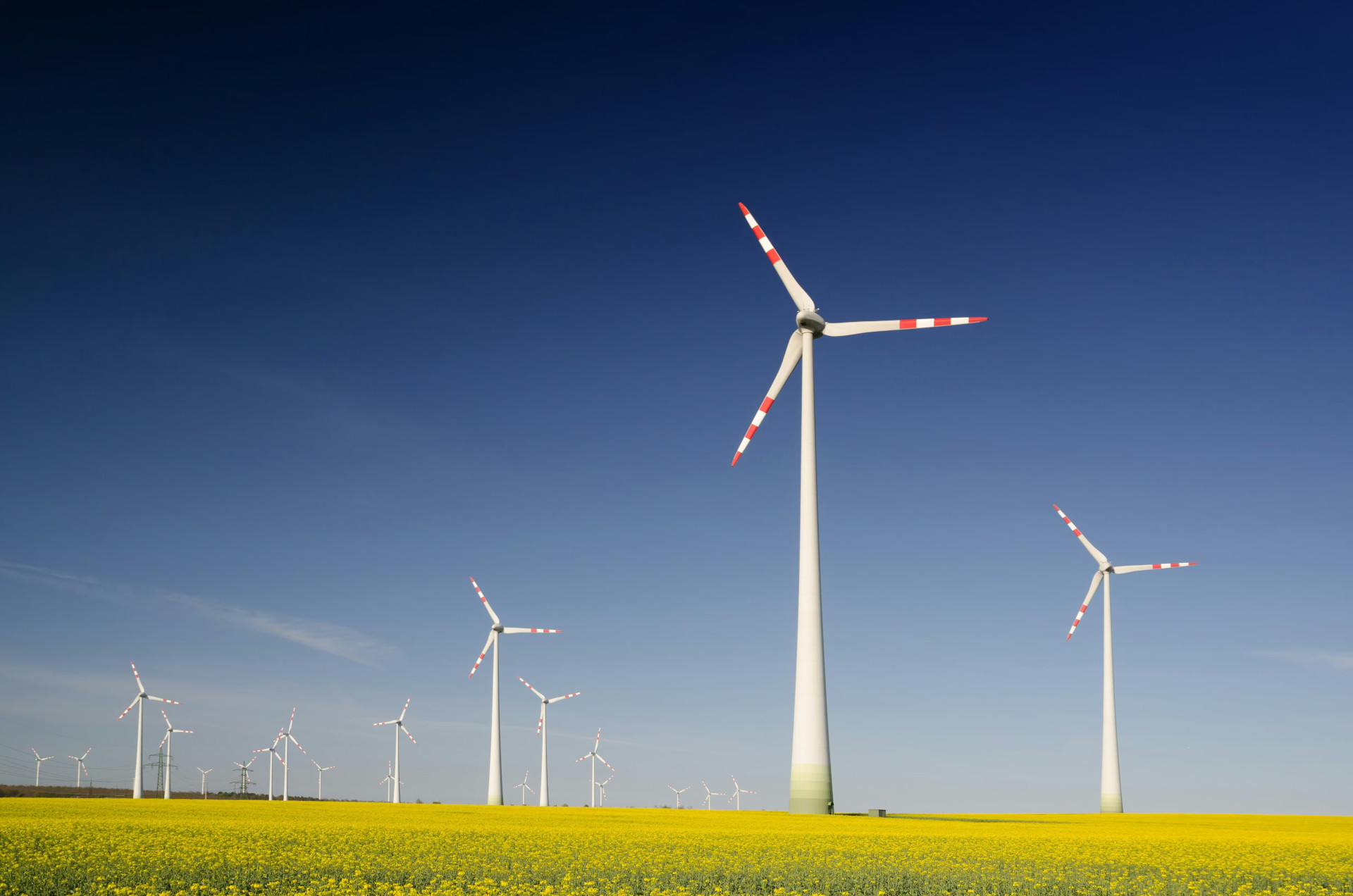
With data-centre electricity demand expected to double by 2030, AI’s growth could strain grids and drive up costs unless efficiency and clean energy can keep pace.
Three action drivers will be key to ensure AI’s energy and resource gains outweigh its energy and resource consumption.
From our partners:
Aligning AI growth with energy-transition goals can unlock energy affordability, reliability and low-carbon competitiveness.
As demand for artificial intelligence (AI) surges, leaders face a choice: scale fast and strain energy systems, or scale strategically and turn AI into a lever for competitiveness, resiliency and sustainability.
A World Economic Forum framework grounded in over 130 real-world use cases across more than 15 countries reveals a pathway for leaders to unlock this potential.
AI is now an energy story
With AI workloads expanding exponentially, electricity availability is becoming a strategic constraint for innovation and competitiveness.
Data-centre electricity demand is expected to double by 2030, and recent research from Cornell warns that, without smarter siting and efficiency gains, AI data centres could strain US power systems by 2030 (adding emissions equivalent to 5-10 million cars and consuming water equal to 6-10 million households annually).
These pressures are already being felt, with sharp electricity price increases in several US states and wholesale market pressures linked to data‑centre growth flowing through to household bills.
Similar trends are emerging globally. In Ireland, data centres already consume over 22% of national electricity, projected to reach 30% by 2030 – driving grid strain and rising household costs. At the same time, industry leaders are reframing AI performance around energy efficiency metrics such as “tokens per watt” as new currencies of infrastructure productivity.
This points towards a powerful trend: businesses adopting an impact-first approach to AI, i.e. employing sustainability measures to achieve competitiveness, affordability and resilience.
The blueprint: net-positive AI energy
In the Forum’s latest AI Energy report, “net-positive AI energy” is defined as a future in which AI-enabled energy and resource savings exceed the lifecycle energy and resource consumption, delivering system‑level benefits in competitiveness, energy security, grid reliability and emissions reduction.

The Forum’s framework translates that ambition into practice through three action drivers, the levers to align AI growth with energy goals:
- Design for efficiency: Make AI sustainable by default by powering data centres with renewable power, using efficient hardware and cooling and building right-sized models that avoid unnecessary computation.
- Deploy for impact: Scale AI that cuts emissions and boosts efficiency across grids, buildings, transport and industry.
- Shape demand wisely: Encourage purposeful, energy-aware AI use by prioritizing high-value applications, avoiding unnecessary computation and promoting digital sobriety.
These drivers come with three strategic enablers, which make responsible AI progress scalable:
- Consumer education and workforce upskilling: Build skills and awareness for responsible, energy-efficient AI adoption.
- Ecosystem collaboration: Coordinate across sectors to align incentives, share data, accelerate responsible AI deployment.
- Transparent measurement and accountability: Track and disclose AI energy performance with shared metrics and verification.
The framework offers leaders a clear blueprint for aligning AI growth with energy-transition goals, turning responsible scaling into a source of long-term competitiveness.
What leaders can do now
Three use cases show how leaders can deploy powerful strategies now to advance net-positive AI energy:
1. Green compute is faster and cleaner
High performance does not have to mean high emissions. Leaders can unlock similar advantages by elevating “design for efficiency” to a board-level key performance indicator.
This includes prioritizing access to renewable and low-carbon power and embedding lifecycle metrics, such as joules per inference, carbon intensity and water use, directly into procurement, infrastructure planning and site selection.
One example is a sovereign, liquid-cooled AI data centre design that achieved roughly 50% faster deployment and around 20% energy savings by combining modular architecture, renewable power and predictive optimization.

2. AI of Things decarbonizes an industrial heartland
Leaders can unlock meaningful transformation by deploying AI solutions at the scale of entire industrial clusters, not just individual sites. Moving beyond pilots to cluster-wide implementation enables companies to coordinate energy use, share data and manage emissions more effectively.
Pairing operational AI with carbon visibility and cross-sector collaboration accelerates decarbonization and amplifies the benefits of the energy transition.
For example, in one region in China, long reliant on coal, an integrated AI of Things (AIoT) platform is orchestrating wind, solar, hydrogen, storage, electric vehicles and industrial loads.
The result: 100,000 megawatt hours (MWh) in energy savings and a 5% reduction in peak demand today, with clear pathways to doubling those impacts, reaching 200,000 MWh and 10% reductions, over the longer term. Accurate multi-energy forecasting and real-time dispatch are driving resilience and cost efficiency.

3. Data centres turn into flexible power assets
Leaders can shape demand wisely by time-shifting workloads, right-sizing models, adopting usage-based pricing, and equipping engineers and end users with clear energy-impact dashboards. These shifts help ensure that digital growth strengthens, rather than strains, the grid.
For instance, a flexibility platform can schedule AI workloads in sync with grid conditions, reducing peak demand by roughly 40%, improving uptime and unlocking potential flexibility revenues. The result is a closer alignment of digital expansion with system resilience.

Why now: affordability, resilience and the energy transition
Power availability, not processing power, is fast becoming the key limit to AI’s expansion. Countries and firms securing resilient, clean energy capacity will capture AI’s advantages first, turning the energy transition into a source of competitiveness, not just a climate goal.
Households and businesses are already feeling the strain as utilities invest to meet data-centre-driven demand.
By scaling efficiently and making AI demand adaptable, leaders can ease pressure on the grid and avoid depending solely on capacity expansions. Doing so aligns AI growth with national decarbonization pathways, ensuring sustainability and innovation advance together.
A five‑step leadership playbook
These five moves can turn ambition into measurable outcomes by embedding sustainability into an AI strategy by design.
- Measure what matters: Track energy per useful output (e.g. tokens per watt) and lifecycle carbon/water at model, workload and site levels.
- Design for efficiency: Align siting with clean energy availability and water constraints. Prioritize efficient chips and accelerators, advanced cooling, modular design and heat recovery.
- Deploy for impact: Scale proven AI solutions in grids, industry, buildings and logistics through public‑private coalitions.
- Shape demand wisely: Encourage purposeful, efficient AI use – reduce redundant workloads and make energy impact visible.
- Improve accountability: Benchmark progress transparently through shared data, independent audits and public reporting.
A coordinated call to action
Realizing the vision of a Net Positive AI Energy Framework will require coordinated and measured multi-stakeholder action by global leaders. The choices made today will determine whether AI becomes a catalyst for energy resilience and competitiveness or a source of systemic strain.
To accelerate this momentum, the Forum’s AI and Energy initiative provides a platform to unlock new partnerships, stay ahead of emerging trends and contribute real-world insights to this global conversation.
Industry leaders and innovators are invited to share their use cases with the Forum’s new AI Energy Foresight Tool. By sharing examples, organizations can help build the global evidence base needed to accelerate the deployment of energy-efficient AI and inform better planning across the global ecosystem.
Thank you to Michael Higgins, Project Fellow, AI Governance Alliance, Strategy Principal Director, US Utilities Strategy, Accenture; and Ginelle Greene-Dewasmes, Initiatives Lead, Artificial Intelligence and Energy, World Economic Forum for their contributions to this article.
Featured image credits: Image: Unsplash/Zbynek Byrival
By: Maria Basso (Head, AI Applications and Impact, World Economic Forum), James Mazurek
(Managing Director, North American Utilities Strategy, Accenture) and Eric Enselme
(Executive Fellow, World Economic Forum Geneva)
Originally published at: World Economic Forum
Source: zedreviews.com
For enquiries, product placements, sponsorships, and collaborations, connect with us at [email protected]. We'd love to hear from you!
Our humans need coffee too! Your support is highly appreciated, thank you!